How to Minimize Industrial Truck Maintenance Costs
Running a business with a fleet of forklifts means every dollar counts. Equipment maintenance is one of the most significant operational expenses, but it is also one of the most controllable. Smart maintenance strategies do not just prevent breakdowns. They are a direct path to boosting your bottom line. An effective maintenance plan keeps your operations running smoothly and predictably, preventing the kind of costly disruptions that can derail productivity. For businesses aiming to tighten their budgets without sacrificing quality, focusing on equipment upkeep is essential. Miami Industrial Trucks Inc. is giving your team some maintenance best practices that will help you reduce maintenance costs on your forklifts in Dayton, Findlay, Toledo, and Troy, Ohio, as well as Indiana.
The Hidden Costs of Poor Maintenance
Ignoring regular maintenance on your forklifts might seem like a way to save money in the short term, but it is a costly gamble. Neglected equipment is far more likely to break down unexpectedly, leading to emergency repairs that are almost always more expensive than scheduled service. Beyond the repair bill, unplanned downtime brings operations to a halt. This stoppage creates a ripple effect of lost productivity, missed deadlines, and potentially damaged customer relationships. These hidden expenses, from overtime pay for mechanics to the cost of renting replacement equipment, can quickly eclipse any initial savings from skipping maintenance.
Simple Steps to Start Saving on Maintenance
Reducing your maintenance expenses doesn’t have to be complicated. Adopting a few foundational habits can lead to significant fleet cost reduction and improve the reliability of your equipment. The key is to shift from a reactive mindset, where you fix problems as they arise, to a proactive one that aims to prevent them. Here are a few simple but effective steps to get started:
- Daily Inspections Matter: Empower your operators to conduct quick, pre-shift inspections. Catching small issues like a worn tire or a loose hose before they turn into major failures is one of the easiest ways to avoid expensive, unplanned downtime.
- Stick to a Maintenance Schedule: Follow the manufacturer’s recommended service intervals. This routine helps ensure that critical components are checked, serviced, and replaced on a predictable schedule, preventing the kind of catastrophic failures that lead to emergency repairs.
- Train Your Operators: Proper operation is a cornerstone of equipment longevity. Well-trained operators are less likely to cause accidental damage through improper handling, which directly reduces wear and tear while also extending the life of your trucks.
Why Preventive Maintenance Is a Game Changer
Preventive maintenance is the single most effective strategy to reduce forklift maintenance costs over the long term. Instead of waiting for a part to fail, this approach focuses on regular, scheduled service to keep equipment in optimal condition. This proactive stance significantly lowers the risk of unexpected breakdowns, which are a primary driver of high maintenance expenses. By keeping your trucks running reliably, you minimize costly downtime and maintain a consistent operational tempo. Furthermore, well-maintained equipment lasts longer, delaying the need for expensive replacements and maximizing the return on your initial investment. These preventive maintenance tips help you build a more resilient and cost-effective operation.
Breaking Down Maintenance Strategies
To make preventive maintenance more manageable, it is helpful to categorize tasks based on frequency. Organizing your plan into daily, weekly, and monthly checks creates a structured routine that is easy to follow and ensures nothing falls through the cracks. This systematic approach helps distribute the workload and makes it easier for your team to stay on top of their responsibilities. A well-organized strategy is the foundation of effective equipment management and is crucial for achieving consistent results.
Daily Maintenance Tasks
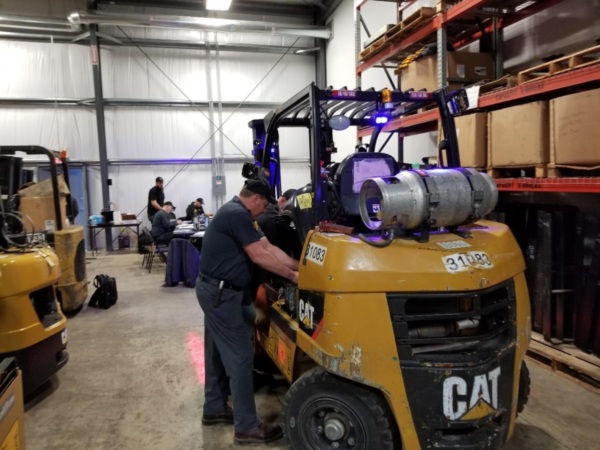
Before each shift, operators should perform a quick walk-around inspection. This check is the first line of defense against unexpected problems. Operators should look for obvious signs of wear or damage, such as fluid leaks, tire issues, or problems with the forks and mast. They should also test essential functions like the horn, lights, and brakes to ensure the truck is safe to operate. These daily checks take only a few minutes but can prevent minor issues from becoming major repairs.
Weekly Maintenance Tasks
Once a week, your maintenance team should conduct a more thorough inspection. This is the time to check fluid levels, including engine oil, hydraulic fluid, and coolant, and top them off as needed. It is also an opportunity to inspect battery connections for corrosion, check tire pressure, and lubricate moving parts like chains and chassis points. These slightly more in-depth tasks address wear and tear before it can lead to performance degradation or component failure.
Monthly Maintenance Tasks
An in-depth monthly review is essential for the long-term health of any truck. During this inspection, technicians should examine the engine, transmission, and hydraulic systems more closely. This is the time to check filters, belts, and hoses for signs of aging or damage and replace them if necessary. Monthly tasks might also include a more detailed inspection of the electrical system and a full brake system check. These comprehensive reviews ensure your trucks remain in peak condition and help you plan for future part replacements.
The Role of Technology in Cutting Costs
Modern technology offers powerful tools for optimizing your maintenance efforts. Maintenance tracking software, for example, can automate scheduling, create work orders, and maintain a detailed service history for every forklift in your fleet. This technology removes the guesswork from maintenance planning and ensures that all service is completed on time. By collecting and analyzing data on repairs, parts usage, and downtime, you can make informed, data-driven decisions. This insight allows you to identify recurring problems, track maintenance costs per vehicle, and refine your strategies for even greater efficiency and savings.
Choosing the Right Parts for Long-Term Savings
When it is time to replace a part, the choice you make can have a significant impact on your long-term costs. Genuine OEM (Original Equipment Manufacturer) parts are designed specifically for your equipment, ensuring a perfect fit and optimal performance. They are manufactured to higher quality standards, which means they typically last longer and are less likely to cause secondary damage to other components. Investing in quality parts reduces the frequency of replacements and minimizes the risk of failure, leading to greater savings over the life of the truck.
Pro Tips for Extending Forklift Life
Beyond the scheduled maintenance plan, there are several practical habits that can help extend the life of your industrial trucks and keep them running efficiently. These simple do’s and don’ts are easy to implement and can make a big difference in reducing wear and preventing unnecessary strain on your equipment. Incorporating these practices into your daily operations is a low-cost, high-impact way to protect your investment.
- Clean Regularly: Keeping your trucks clean does more than just make them look good. Regular cleaning prevents the buildup of dirt, debris, and corrosive materials that can cause rust and damage to critical components.
- Monitor Fluid Levels: Low fluid levels can cause serious engine and hydraulic system damage. Operators should be trained to check these levels daily and report any issues immediately.
- Don’t Overload Trucks: Exceeding a truck’s rated capacity puts immense strain on the engine, transmission, forks, and tires. This stress accelerates wear and tear and greatly increases the risk of a major component failure.
Take Action to Reduce Costs Today
Since 1956, Miami Industrial Trucks Inc. has been a “value-added” material handling distributor, helping businesses solve problems with high-quality products and systems. With a deep inventory of new and used equipment, including over 200 configurations of forklifts, we are committed to providing solutions that work. Implementing these maintenance best practices is a proven path to reducing operational costs and improving the reliability of your fleet. Small, consistent actions can lead to substantial savings and a more efficient operation. If you are ready to take control of your maintenance expenses, start by applying these tips today. For expert guidance or help servicing your fleet, contact our team. We are here to help you build a stronger, more profitable business.